
Washington Businesses Bring the Northwest Trade Story to D.C.
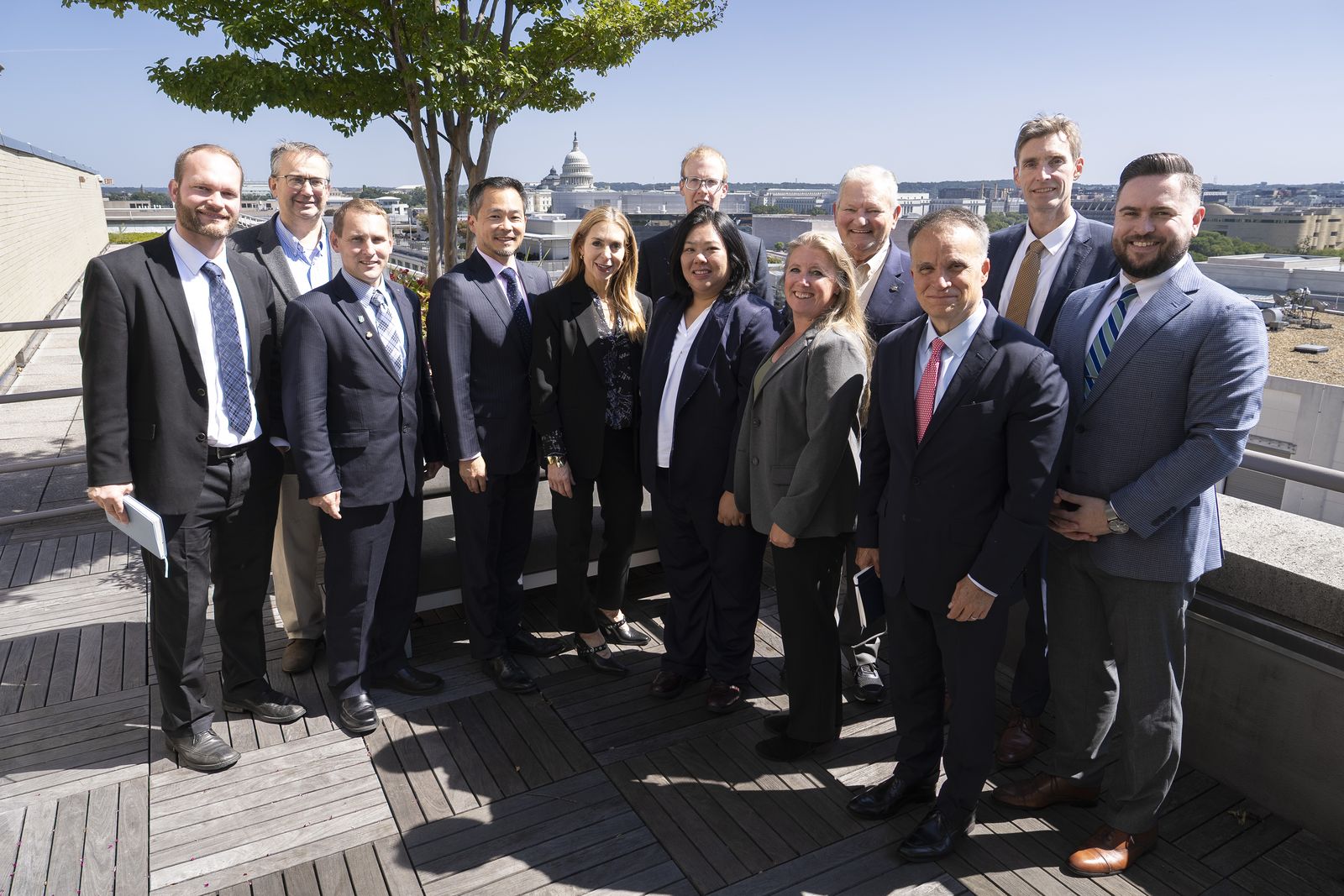
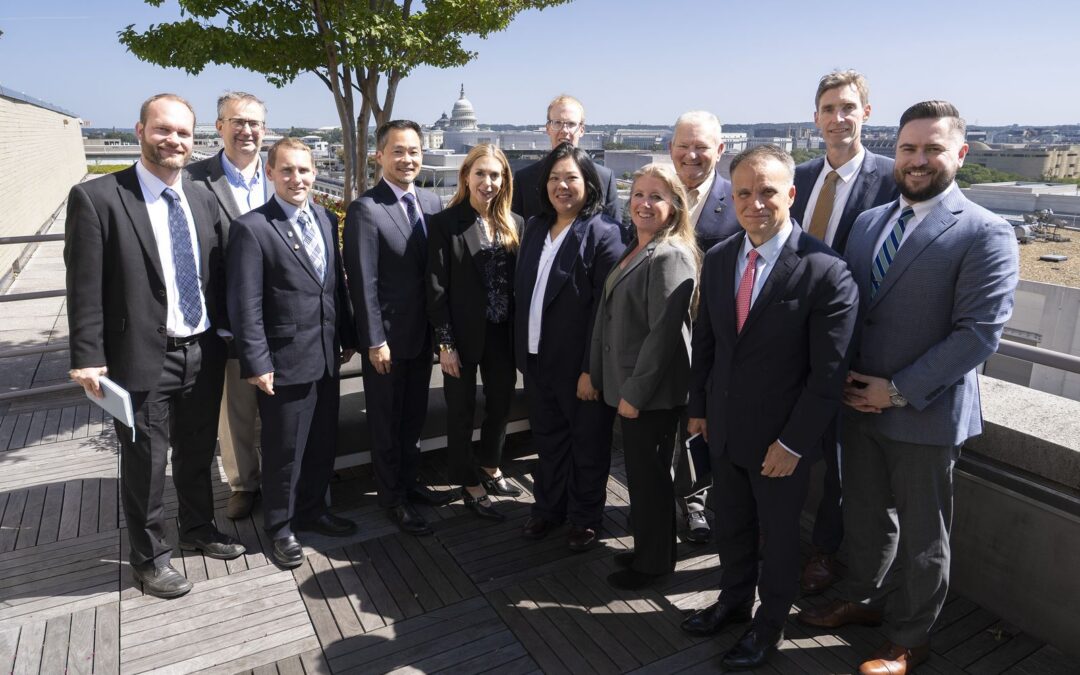
WCIT members traveled to Washington, D.C., September 14–16 for three days of meetings with members of Congress, the Administration, international partners and leading trade policy experts.
The message throughout the trip was urgent and consistent: trade policy has become a serious business challenge for the Northwest. Companies, farmers, importers and exporters must have greater stability and predictability to invest, plan and compete.
Members brought that message to Washington at an important moment for U.S. trade policy. Negotiations between the United States and Canada have broken down. Tariffs continue to reshape longstanding trading relationships and supply chains. And U.S.–China economic relations remain in flux, with President Xi Jinping’s September state visit putting trade and economic issues back at the center of global attention.
For Washington and Oregon — where farmers, manufacturers, ports, retailers and technology companies depend heavily on international trade — those decisions have real consequences.
Taking the Northwest Trade Story to Capitol Hill
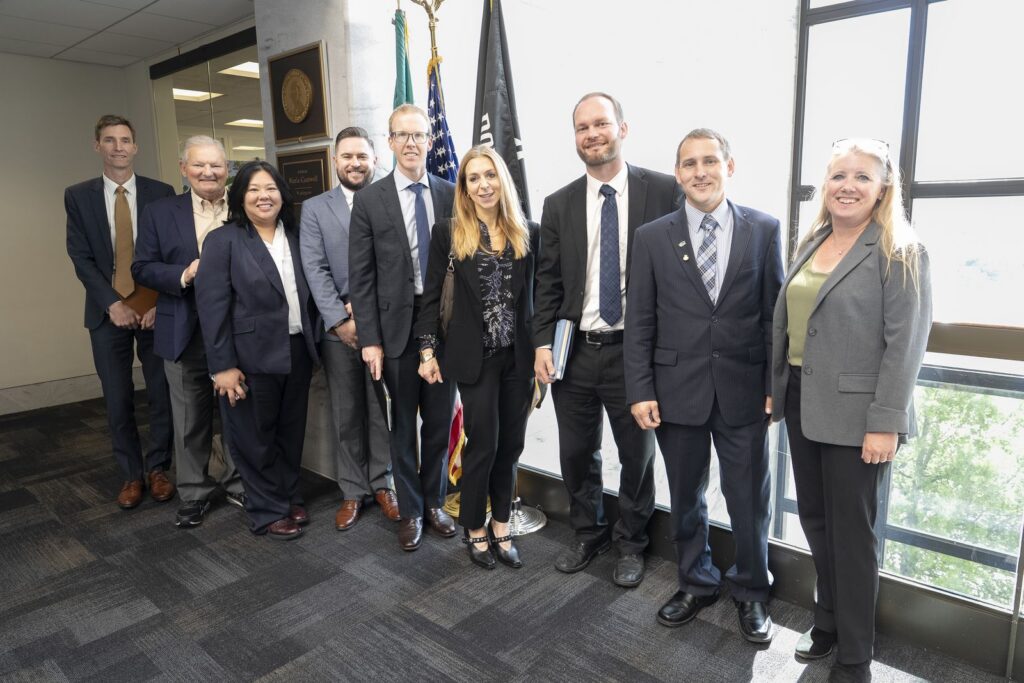
Over two days, WCIT members met with eight of Washington’s ten House offices and both U.S. senators.
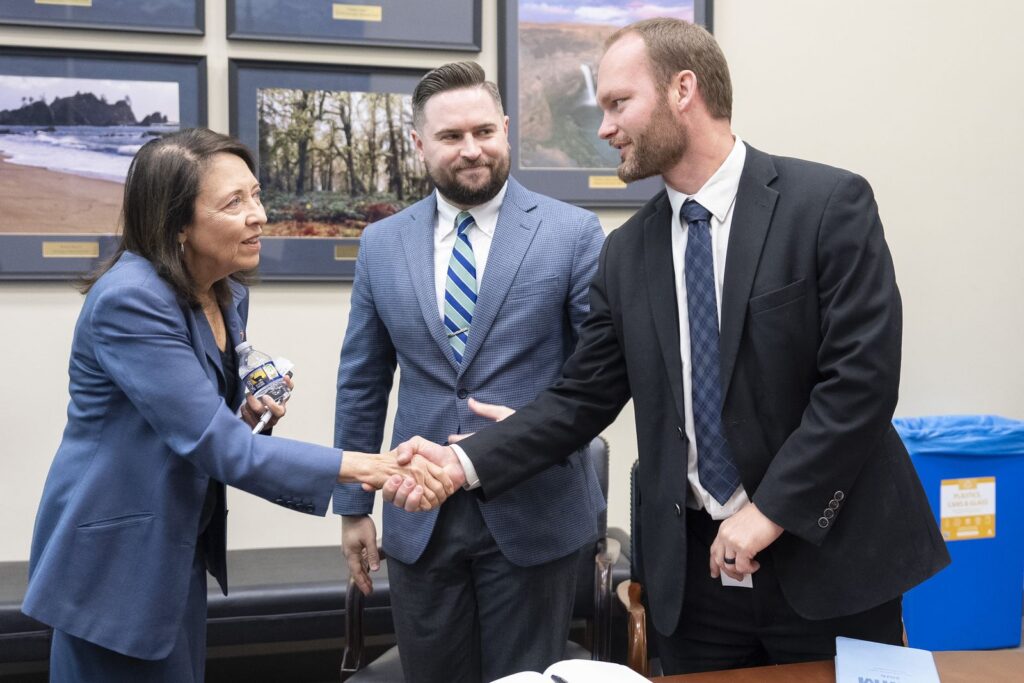
The delegation met directly with Representatives Rick Larsen, Dan Newhouse, Kim Schrier, Michael Baumgartner, Marilyn Strickland and Emily Randall, as well as senior staff for Representatives Suzan DelBene and Marie Gluesenkamp Perez. On Wednesday, members met with Senators Maria Cantwell and Patty Murray.
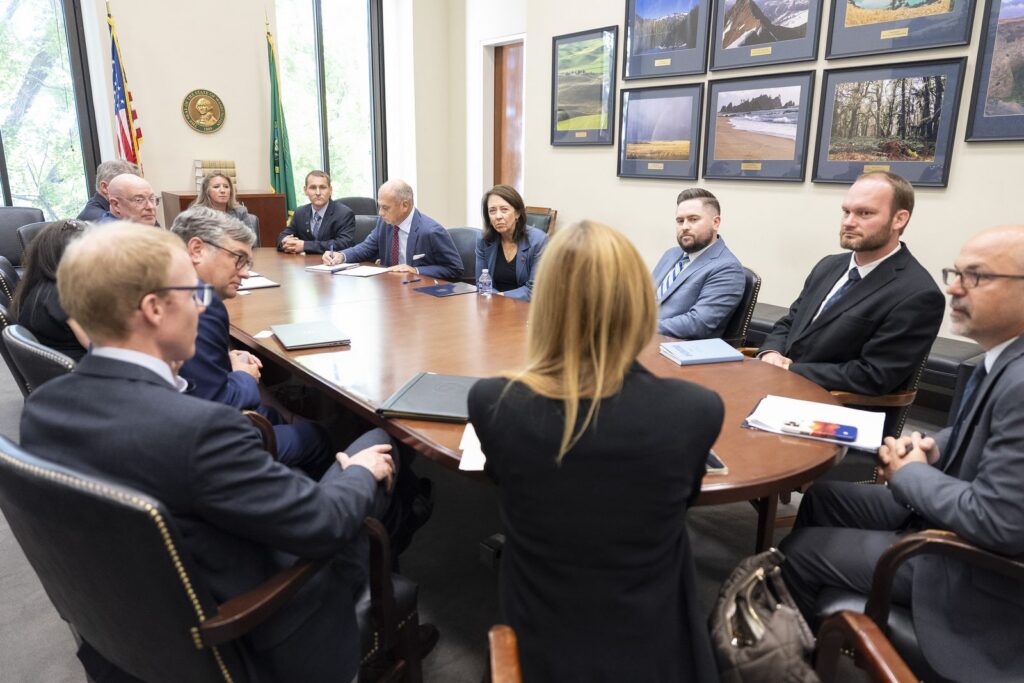
The diversity of the WCIT delegation was an important part of those conversations. WCIT members represented businesses, agriculture, ports and other trade-dependent sectors from across Washington, allowing policymakers to hear directly how rapidly changing trade policies are affecting employers and communities across the state.
Discussions focused on several issues with particular importance to Washington: the future of USMCA and the U.S.–Canada trading relationship; the impact of tariffs and retaliation; market access for Washington agricultural products; supply-chain costs; and the role of Congress in U.S. trade policy.
Across the meetings, members emphasized a consistent point: Northwest companies can compete globally, but we need far greater certainty and durable trading relationships in order to invest, hire and plan for the future.
A Direct Conversation with USTR
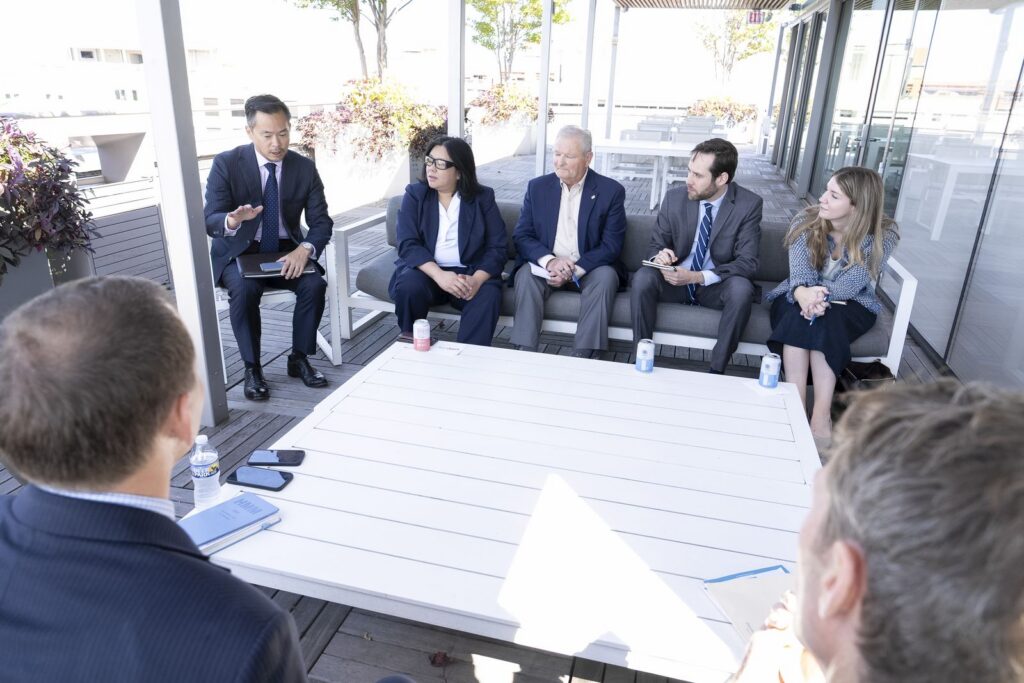
The delegation also met with Marshall Stallings, Senior Director for Intergovernmental Affairs and Public Engagement at the Office of the U.S. Trade Representative, for a direct discussion about the Administration’s trade agenda.
Members shared examples of how current tariff policies are affecting Washington companies and asked questions about USMCA, Canada, tariffs and the direction of U.S. trade policy.
The meeting gave WCIT members an opportunity not only to hear directly from the Administration, but also to make sure our experience — as one of the nation’s most trade-dependent states — was part of the conversation.
Hearing from an Important Trading Partner and Key Ally
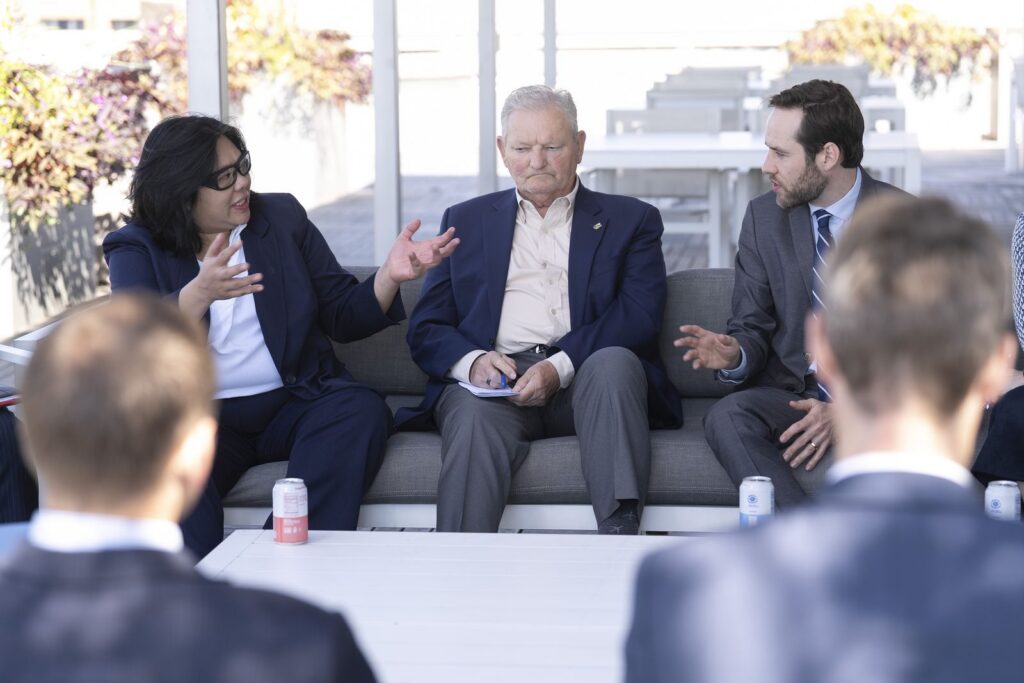
We also met with senior representatives at the British Embassy, including Gregor Catto, Senior Trade Policy Advisor, and Grace Banahan, Trade Policy Officer, for an international perspective on U.S. trade policy and the broader global trading environment.
The conversation reinforced something our businesses experience every day: U.S. trade decisions do not happen in isolation. Changes in tariffs, market access and economic policy affect investment decisions, supply chains and commercial relationships well beyond the United States.


Putting the Policy Environment in Context
Throughout the Fly-In, WCIT paired policymaker meetings with conversations with experts who helped members better understand the forces shaping U.S. trade policy.
Ryan Hass, Senior Fellow at the Brookings Institution, joined the delegation for lunch Tuesday for a discussion of U.S.–China relations and the economic and geopolitical issues shaping the relationship.
At Tuesday evening’s dinner, Brian Pomper, Partner at Akin, offered perspectives on the political environment in Washington and the outlook for trade policy after the midterm elections.
On Wednesday, Christopher Padilla, Senior Advisor at Brunswick Group, joined members for lunch and a discussion of the changing global trade and investment environment.
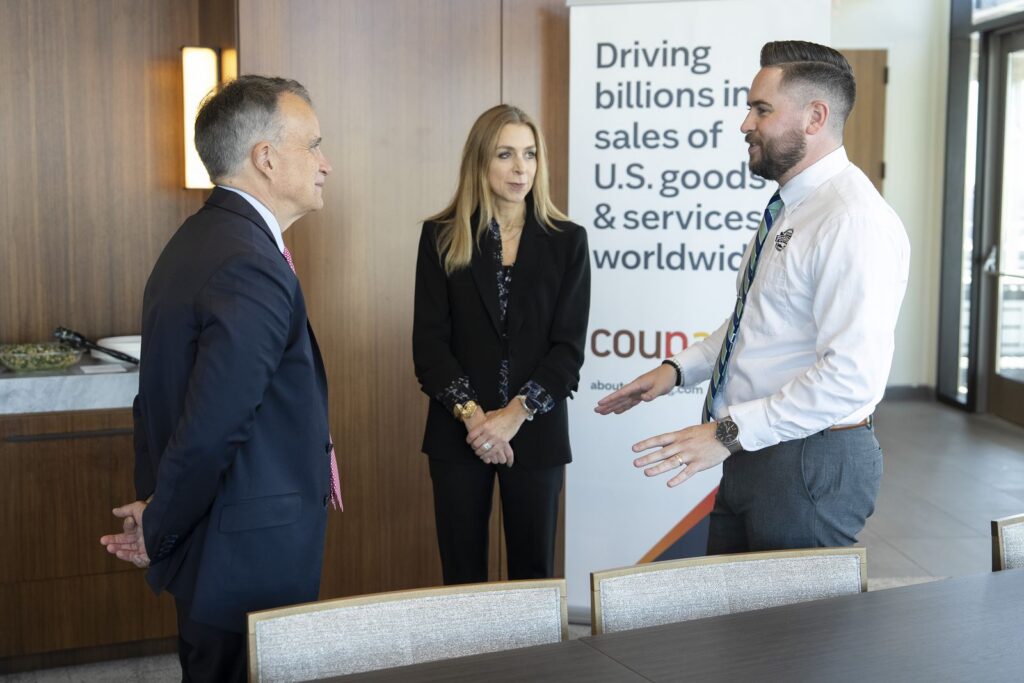
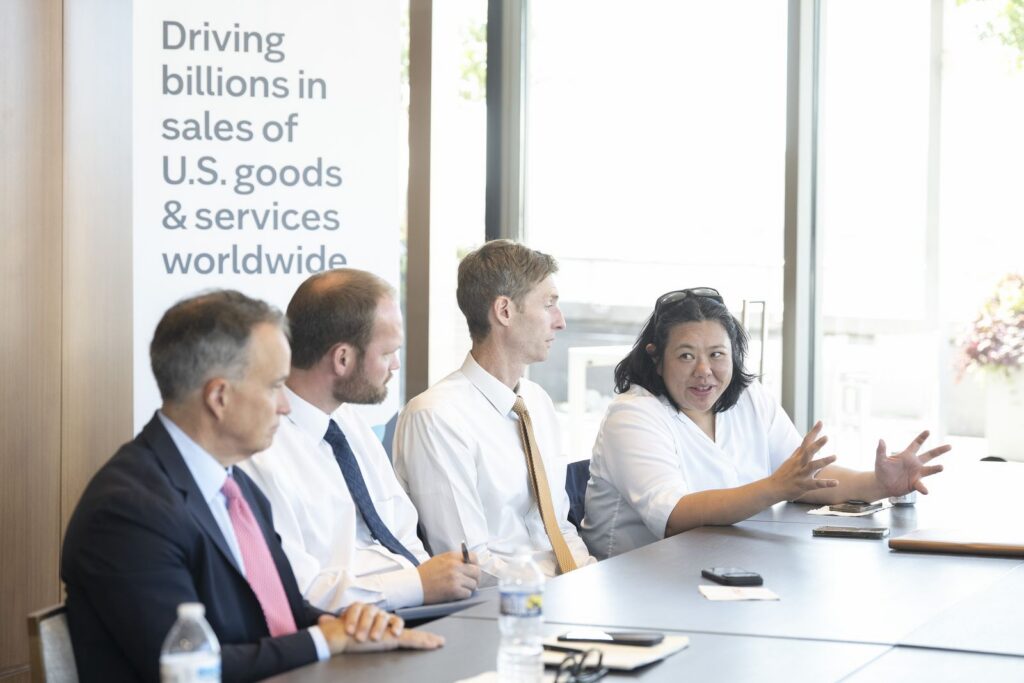
Together, those conversations gave members something that is difficult to get from headlines alone: context about where U.S. trade policy may be heading and what businesses should be watching next.
Three Themes We Brought Home
Predictability matters.
Businesses can adapt to change, but repeated changes in tariffs and trade rules make investment and supply-chain decisions significantly more difficult.
North American trade remains critical to Washington.
The future of USMCA — and particularly the U.S.–Canada relationship — has significant implications for Washington businesses and communities. The July joint review did not result in renewal of USMCA in its current form, and negotiations continue.
The Pacific Northwest needs to keep showing up.
Whatever direction trade policy takes, it is important that policymakers hear directly from the businesses, farmers, ports and workers affected by those decisions. That is the role WCIT and its members can continue to play.
Thank You to Our Members
The value of the WCIT Fly-In comes from the members who make the trip and bring Washington’s trade story to Washington, D.C.
Thank you to everyone who joined us, shared their experiences and helped make the case for policies that keep Washington businesses and workers competitive.
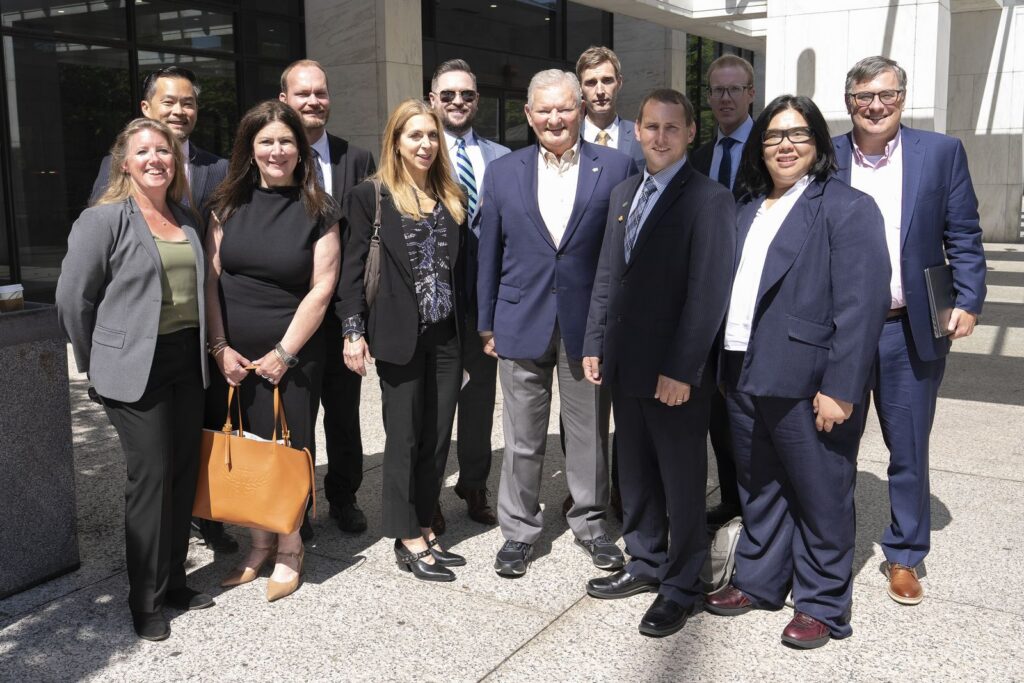
We are especially grateful to Boeing, the Northwest Seaport Alliance and the Port of Portland for helping make the 2026 Fly-In possible.
Interested in having a seat at the table next year?
Learn more about WCIT membership