
TL;DR: This WCIT report (Nov 2021) highlights the importance of international trade for Washington state’s and Oregon’s economic growth and job creation. It emphasizes the need for policy updates to address new digital trade opportunities, supply chain resilience, and environmental sustainability. The report also identifies key trade partners, industries, and trends, stressing the value of continued international trade engagement for the Pacific Northwest’s future economic success.
Executive Summary
By leveraging natural geographic advantages, an international posture, and a cutting-edge,diversified economy, the Pacific Northwest has become a leading player in global trade. Jobs and economic growth in both Oregon and Washington are highly dependent on the goods and services, foreign direct investment, imports, and exports that constitute international trade.
Jobs and economic growth in both Oregon and Washington are highly dependent on the goods and services, foreign direct investment, imports, and exports that constitute international trade.
Often seen exclusively as a “gateway to Asia,” exports from the region reach markets throughout the world, bolstering the Pacific Northwest’s position as a global trade hub. The clear benefits international engagement has on both states suggest that more could be done to partner on emerging trade issues in a way that enables more opportunities for the region.
Increases in agricultural exports in recent years have driven a large share of trade growth in both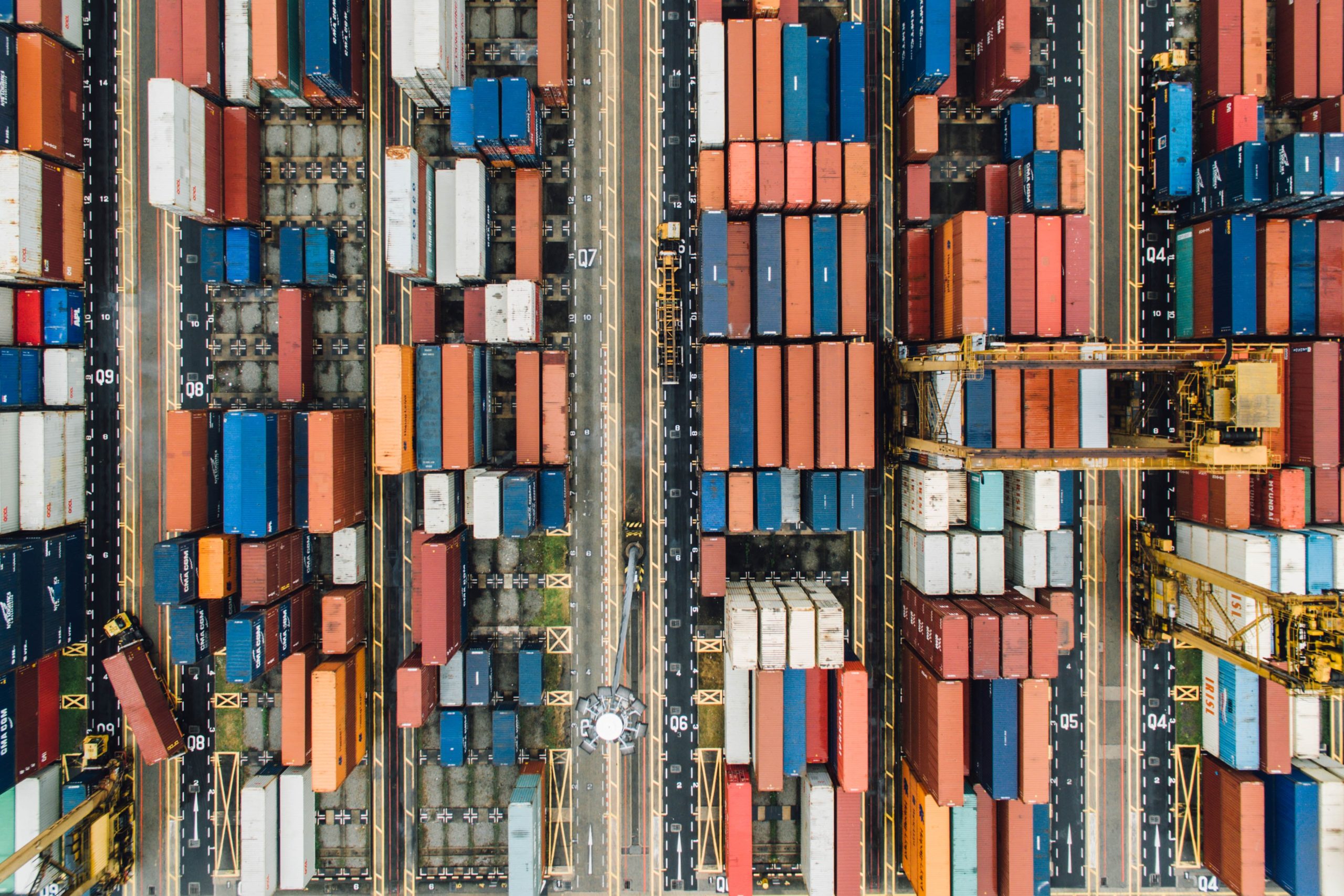 states. The region also hosts robust manufacturing sectors that produce transportation equipment, heavy machinery, and electronics. Continuing to leverage shared infrastructure to strengthen exports, whether pass-through or homegrown, can provide a growing source of high-paying jobs and increase the prominence of the Pacific Northwest as a manufacturing and agricultural export powerhouse on par with similarly composed states in the Midwest.
Continuing to leverage shared infrastructure to strengthen exports, whether pass-through or homegrown, can provide a growing source of high-paying jobs
The region’s ports – both airports and seaports – provide employment opportunities and crucial access to global markets. Given the extensive infrastructure that links both Oregon and Washington to each other and the rest of the country, approaching infrastructure investment through a joint perspective can help bolster trade growth and resilience.
As technology helps drive the economic recovery for businesses large and small in the United States, high-tech businesses in Washington and Oregon can make meaningful contributions to this recovery. Expanding digital trade opportunities can help spur growth in high-value industries and presents an opportunity for more extensive collaboration with trading partners. As the world continues to develop and hone its approach to digital trade, jurisdictions around the globe are considering the implementation of new barriers that threaten to stifle growth.
Stakeholders in both states would benefit from addressing these barriers. On this front, Washington and Oregon have extensive representation on key Congressional Committees that are focused on these digital issues. Stepped up cooperation on digital commerce can further help the significant impact that the region’s elected Representatives are making in this increasingly important area.